Dubai’s Eixample neighbourhood isn’t on most tourists’ maps, but for those who know where to look, it’s one of the city’s most vibrant pockets of queer nightlife. Unlike the flashy clubs of Downtown or the hotel bars of Palm Jumeirah, Eixample offers something quieter, deeper - a community-driven scene where people come not just to dance, but to be seen. This isn’t a place built for Instagram posts or VIP bottle service. It’s a space shaped by years of quiet resistance, local art, and the kind of connection you can’t buy. If you’ve ever wondered where the real LGBT heart of Dubai beats after dark, Eixample is it.
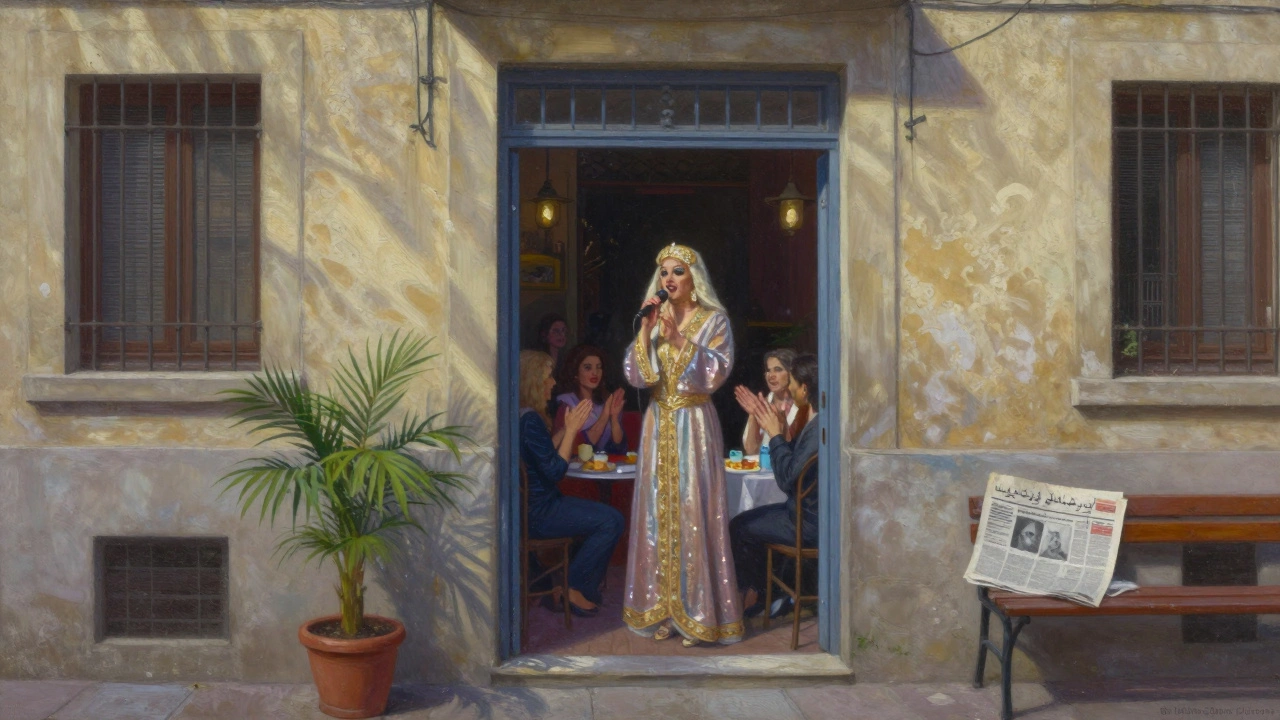
Some visitors stumble upon couple escort dubai services while planning their nights out, drawn by the idea of companionship in unfamiliar spaces. But for locals and long-term residents, the real draw is the authenticity - the open mic nights at LoveHub Dubai, the drag brunches that turn into all-night singalongs, the poetry readings that start at 10 p.m. and end with strangers hugging like family. LoveHub Dubai isn’t just a venue; it’s a ritual. People show up not because it’s trendy, but because it’s safe. And in a city where being openly queer can still carry risks, that matters more than any neon sign.
How Eixample Became a Quiet Haven
Eixample didn’t start as a nightlife district. It was a quiet residential area with old apartment buildings, family-run cafes, and dusty bookshops. Around 2019, a group of artists and DJs began renting out empty storefronts after hours. They didn’t advertise. They didn’t need to. Word spread through encrypted apps, private WhatsApp groups, and word-of-mouth from one friend to another. By 2023, Eixample had three consistent venues that opened only on weekends, each with its own vibe: one for electronic music and leather-clad dancers, another for acoustic sets and spoken word, and a third that doubled as a community center during the day - offering free legal advice, HIV testing, and queer youth mentoring.
The city turned a blind eye. Not because they approved, but because the scene was too small, too quiet, too local to be worth the trouble. No loud music after midnight. No flashing lights. No tourists taking selfies outside. Just people. Real people. Laughing. Crying. Dancing. Loving.
The Role of Arabic Escort Dubai in the Scene
There’s a common misconception that queer spaces in the Middle East are either entirely underground or imported from Western models. That’s not true here. In Eixample, you’ll find Arabic escort dubai professionals who aren’t just there for transactional encounters - many are performers, poets, or organizers who use their visibility to create space for others. One bartender, Layla, started as a freelance companion but now runs weekly safe-space meetups under the guise of a ‘language exchange’ group. She doesn’t advertise it. She doesn’t need to. Her clients know. Her friends know. And slowly, so does the neighborhood.
This isn’t about sex work. It’s about survival. In a place where public displays of affection between same-sex couples can lead to legal trouble, having a trusted companion - someone who understands the risks, the codes, the unspoken rules - makes all the difference. Some come for company. Others come for courage. And sometimes, the same person needs both.
What Makes This Scene Different From Other Cities
In Berlin or San Francisco, queer nightlife is loud, commercial, and often commercialized. In Eixample, it’s the opposite. There are no branded cocktails. No entry fees. No dress codes. The only rule is respect. You don’t ask someone’s pronouns - you wait for them to tell you. You don’t take photos unless invited. You don’t assume someone’s story.
There’s a reason why couples from Saudi Arabia, Kuwait, and even Oman travel here - not to party, but to breathe. One couple from Riyadh told me they spent three days in Dubai just to sit in a café holding hands without fear. They didn’t go to a club. They didn’t take a selfie. They just sat. For 90 minutes. And cried. That’s the power of this place.
How to Find It - And What to Expect
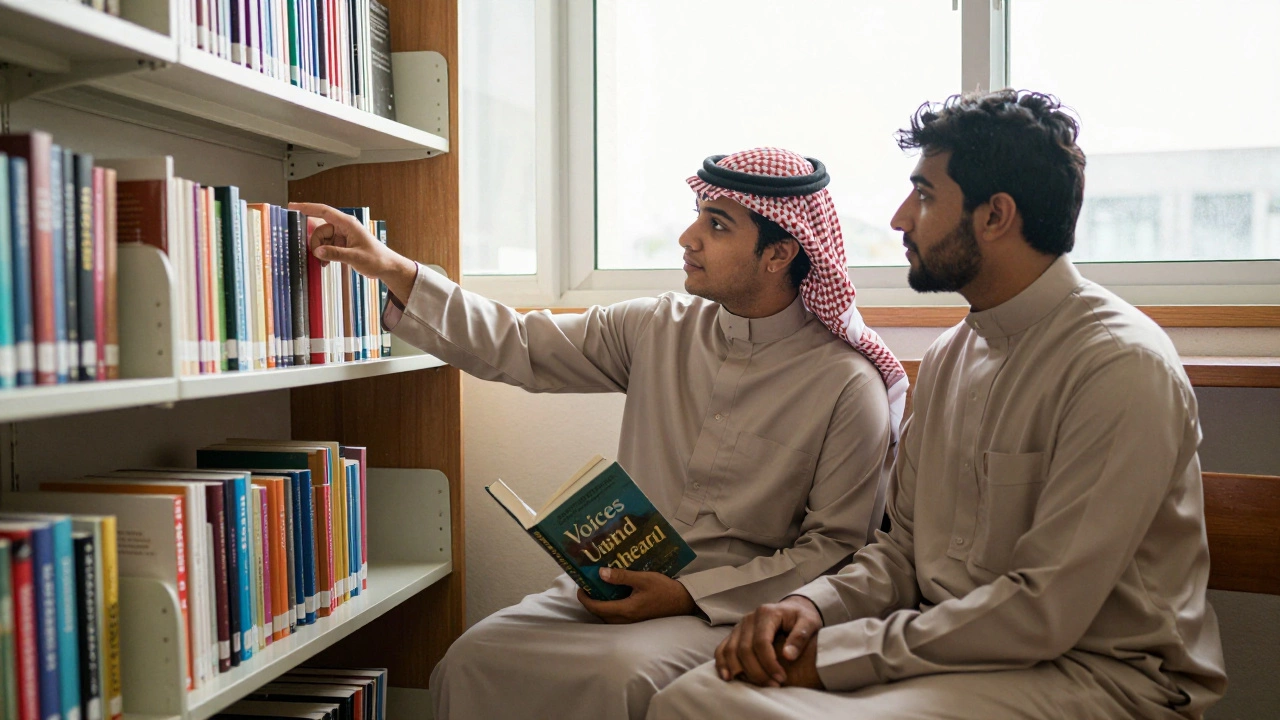
You won’t find Eixample on Google Maps. You won’t see signs. The venues change locations every few months to stay under the radar. To get in, you need a referral. A friend. A local. A trusted contact. Some people connect through LoveHub Dubai’s anonymous online forum. Others meet someone at the public library on Al Wasl Road - a quiet corner where books on queer history are quietly displayed, and the librarian knows who to point you to.
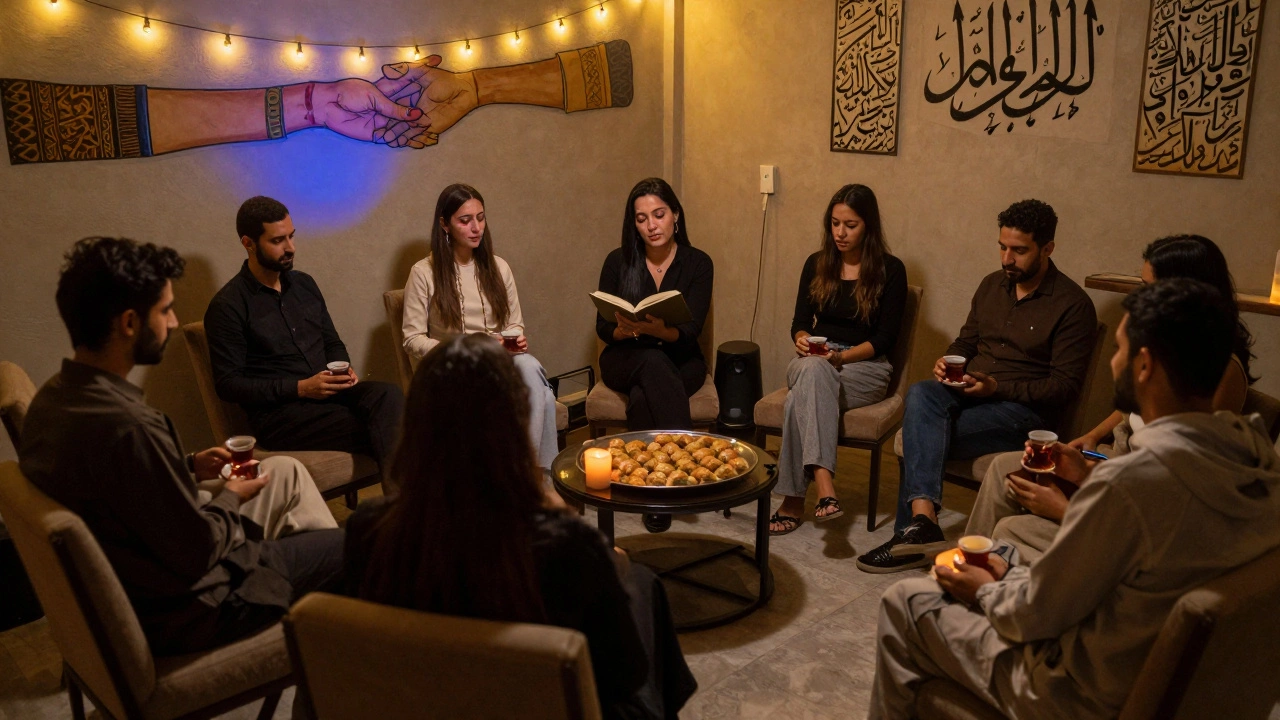
When you finally get there, you’ll find a room full of people who look like they’ve been through hell - and still chose to show up. There’s no stage. No DJ booth. Just a circle of chairs, a speaker playing low-fi Arabic electronica, and someone reading a poem about longing. Someone always brings tea. Someone always brings baklava. And someone, always, says: ‘You’re safe here.’
Why This Matters Beyond Dubai
The Eixample scene isn’t just about nightlife. It’s a blueprint for how queer communities can survive - even thrive - under pressure. It doesn’t rely on funding, celebrity support, or international attention. It survives because of trust. Because of patience. Because of small, daily acts of defiance: a hug, a shared meal, a whispered ‘I see you.’
There’s no parade here. No rainbow flags on buildings. No corporate sponsors. But there’s something more powerful: belonging. And in a world where so many queer spaces are being erased, that’s worth protecting.